
Island communities have a rich and unique culture usually influenced by the geography, the history and the strong local traditions. Due to the isolation of many islands, the regions are distinct and have maintained their own traditions, languages, and ways of life that portray their culture and their connection with the surrounding ocean.
Traditional food has been identified as one of the most visible cultural aspects of island communities. The local food often consists of fresh seafood (and tropical fruit and local things that grow in the coastal areas). Recipes usually are inherited, and many of the dishes are significant cultural narratives and family heritage.
Island culture is also primarily centered on music and dance. Island cultures are glorified by rhythms on music, colourful dress code, and community gatherings. Such performances tend to show historical effects of the indigenous cultures in addition to trade ties with other parts of the world.
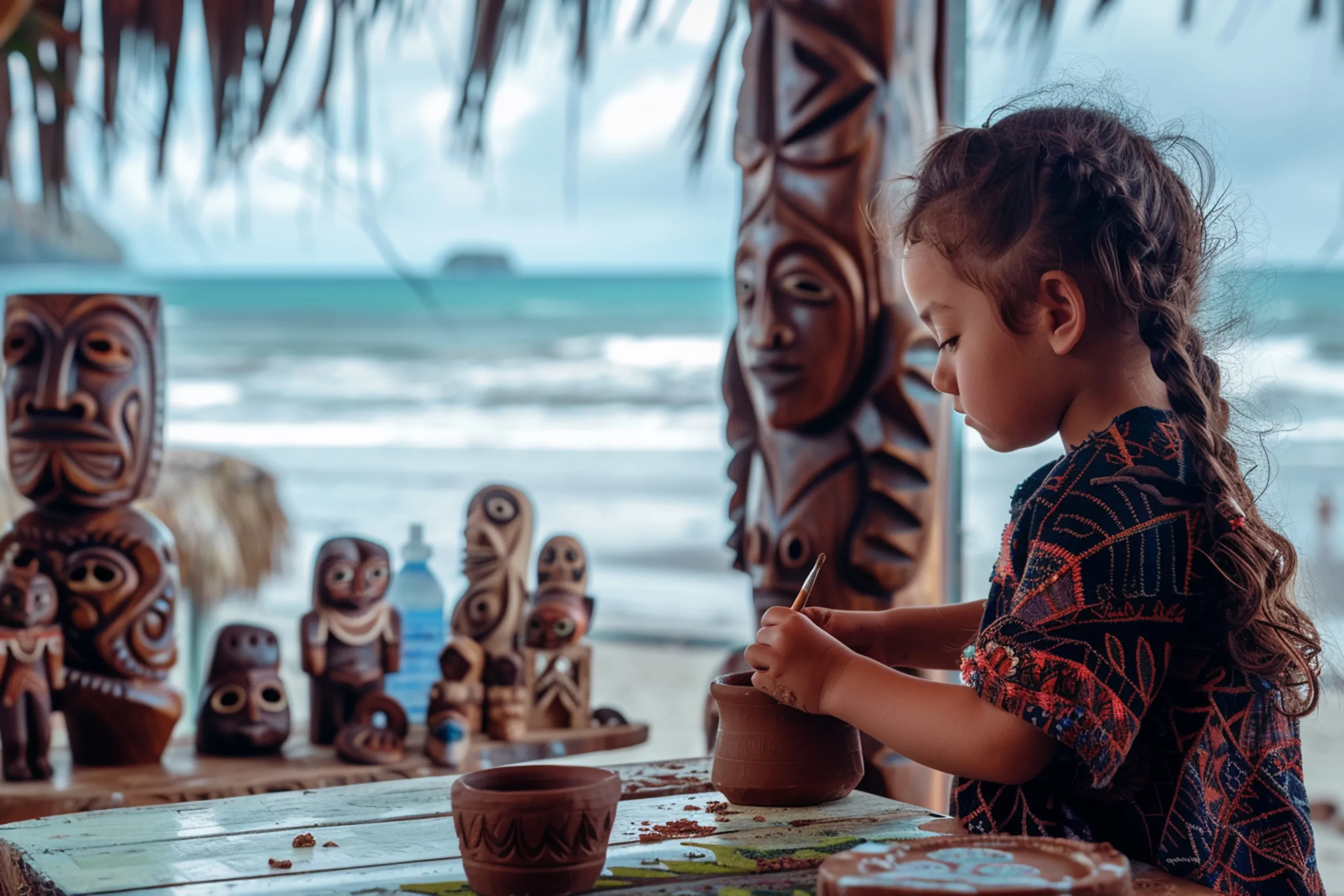
Craftsmanship is another interesting element of the culture of the island. Traditional textiles, handcrafted items and wooden carvings are also commonly made by Islanders like woven baskets. The crafts are practical and artistic in nature, which symbolizes centuries-long skills.
The community values are particularly high in most island societies. Due to the small populations and the nature of their social connections, populations tend to be dependent on each other through cooperation and mutual traditions. These social relationships are reinforced by festivals, community events and cultural events.
Tourists that visit island societies tend to understand these cultures better. Travelers have a chance to get to know the history and identity of the island in local markets, cultural centers and traditional performances.
The cultures of the islands also show the way in which individuals can attain adaptation to their natural environment. The island population has been long supported by fishing, boat building, and coastal agriculture that are the main attractions of daily life and culture.
By visiting the island communities, tourists can observe the way culture, environment and history come together in some unique ways. Such experiences usually generate some meaningful memories that are not only about sightseeing.
Cultural exchange and respectful tourism will help the traditions of the island to survive and keep on progressing and at the same time, allow the visitors who would enjoy the beauty and heritage of the life of the Island.