

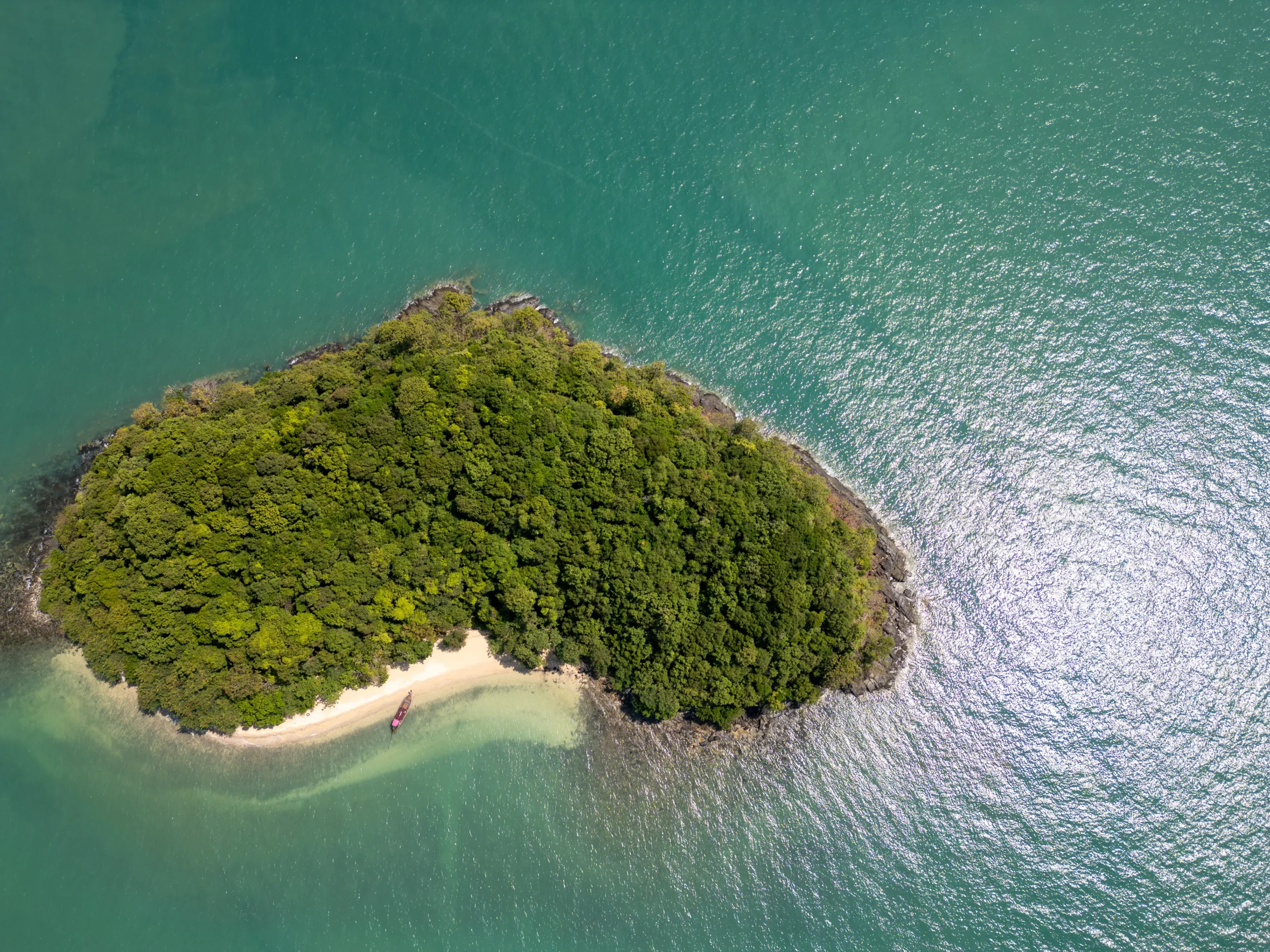
Islands have been characterized by spectacular scenery and various natural environments. Since islands are surrounded by water and are usually not connected with the mainland areas, they create their own ecosystem, which promotes specific flora and fauna lives.
The coastline is one of the most common characteristics of island landscapes. Natural boundaries between the ocean and the land are created by beaches, rocky shores and coral reefs. These coastal regions give living grounds to marine animals like fish, sea birds and small coastal animals.
Forests, hills, or volcanic mountains are also found in many of these islands making them have a diverse environment in a limited geographical space. Such landscapes sustain varied vegetation cover such as tropical rainforests, coastal grasses and mangrove forests.
Another significant component of the island ecosystems is the freshwater resources. Small rivers, springs or rainwater reservoirs exist on some islands that serve as a source of water to plants, animals and local people. These resources are highly controlled so as to provide sustainability in the long run.
The ecosystems of islands usually have species that are not found anywhere in the world. Due to geographic isolation, some plants and animals acquire peculiarities to survive in certain environment. This process also leads to high-biodiversity rates in most islands.
Island landscapes also depend upon weather patterns. Vegetation is grown and coastal conditions are determined by ocean currents, wind patterns and seasonal rainfall. These forces of nature keep changing the environment of the island.
Island ecosystem is important to conservation of biodiversity and to sustain local communities. Conservation programs are usually oriented towards protecting the habitat of wildlife, diminishing pollution and responsible tourism.
Tourists visiting island scenery have a great diversity of the natural environment within a relatively small region. Fully equipped with hiking trails, sea lookouts and natural reserves, one can witness wildlife and experience the beauty of the island ecosystems.
The study of these natural landscapes makes people see the need to preserve delicate island habitats to benefit the future generation.